This website is intended for use by US residents only.

CRYSVITA® (burosumab-twza) is an FGF23-blocking antibody

CRYSVITA is the first and only treatment that targets the source of hypophosphatemia in XLH—excess fibroblast growth factor 23 (FGF23)—to normalize phosphate reabsorption and restore phosphate homeostasis.1

CRYSVITA restores renal phosphate reabsorption and increases the serum concentration of active vitamin D1

Diagram showing CRYSVITA binding to and inhibiting FGF23

CRYSVITA binds to and inhibits FGF23.1

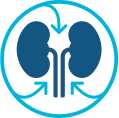
Healthy kidney absorption

Inhibiting FGF23 increases renal phosphate reabsorption and production of active vitamin D.2,3

The normal function of the intestines

Increased active
vitamin D improves
intestinal phosphorus
absorption.4

equal to sign
A healthy bone

Serum phosphorus normalization.1

See CRYSVITA in action

See CRYSVITA in action

Chronic low phosphate levels in XLH and TIO are due to increased activity of FGF23, a protein hormone limiting renal phosphate reabsorption.2,5

CRYSVITA® (burosumab-twza) is the only targeted therapy to address the underlying cause of chronic hypophosphatemia in XLH and TIO. It is a human monoclonal antibody specifically designed to inhibit the activity of FGF23.1,6

In XLH and TIO, CRYSVITA-mediated inhibition of FGF23 is thought to increase renal phosphate reabsorption via increased expression of the sodium phosphate cotransporters.1,2,7

Inhibition of FGF23 is also thought to upregulate renal expression of 1-alpha hydroxylase and downregulate 24-hydroxylase, which increases serum concentration of active vitamin D, leading to increased intestinal phosphate absorption. Together, this can lead to normalized serum phosphorus levels.1,2,5,7

Indication

CRYSVITA® (burosumab-twza) is a fibroblast growth factor 23 (FGF23) blocking antibody indicated for:

  • The treatment of X-linked hypophosphatemia (XLH) in adult and pediatric patients 6 months of age and older.
  • The treatment of FGF23-related hypophosphatemia in tumor-induced osteomalacia (TIO) associated with phosphaturic mesenchymal tumors that cannot be curatively resected or localized in adult and pediatric patients 2 years of age and older.

Important Safety Information

CONTRAINDICATIONS

CRYSVITA is contraindicated:

  • In concomitant use with oral phosphate and/or active vitamin D analogs (e.g., calcitriol, paricalcitol, doxercalciferol, calcifediol) due to the risk of hyperphosphatemia.
  • When serum phosphorus is within or above the normal range for age.
  • In patients with severe renal impairment or end stage renal disease because these conditions are associated with abnormal mineral metabolism.

WARNINGS AND PRECAUTIONS

Hypersensitivity

  • Hypersensitivity reactions (e.g., rash, urticaria) have been reported in patients with CRYSVITA. Discontinue CRYSVITA if serious hypersensitivity reactions occur and initiate appropriate medical treatment.

Hyperphosphatemia and Risk of Nephrocalcinosis

  • Increases in serum phosphorus to above the upper limit of normal may be associated with an increased risk of nephrocalcinosis. For patients already taking CRYSVITA, dose interruption and/or dose reduction may be required based on a patient’s serum phosphorus levels.
  • Patients with TIO who undergo treatment of the underlying tumor should have dosing interrupted and adjusted to prevent hyperphosphatemia.

Hypercalcemia

  • Increases in serum calcium have been reported in patients treated with CRYSVITA. Patients with risk factors such as pre-existing hyperparathyroidism, prolonged immobilization, dehydration, hypervitaminosis D, or renal impairment, are at higher risk of hypercalcemia. Monitor these patients for serum calcium and parathyroid hormone levels before and during CRYSVITA treatment for moderate to severe hypercalcemia. In patients with moderate to severe hypercalcemia, CRYSVITA should not be administered until hypercalcemia is adequately managed.

Injection Site Reactions

  • Administration of CRYSVITA may result in local injection site reactions. Discontinue CRYSVITA if severe injection site reactions occur and administer appropriate medical treatment.

ADVERSE REACTIONS

Pediatric Patients

  • Adverse reactions reported in 10% or more of CRYSVITA-treated pediatric XLH patients across three studies are: pyrexia (55%, 44%, and 62%), injection site reaction (52%, 67%, and 23%), cough (52%), vomiting (41%, 48%, and 46%), pain in extremity (38%, 46%, and 23%), headache (34% and 73%), tooth abscess (34%, 15%, and 23%), dental caries (31%), diarrhea (24%), vitamin D decreased (24%, 37%, and 15%), toothache (23% and 15%), constipation (17%), myalgia (17%), rash (14% and 27%), dizziness (15%), and nausea (10%).

Adult Patients

  • Adverse reactions reported in more than 5% of CRYSVITA-treated adult XLH patients and in at least 2 patients more than placebo in one study are: back pain (15%), headache (13%), tooth infection (13%), restless legs syndrome (12%), vitamin D decreased (12%), dizziness (10%), constipation (9%), muscle spasms (7%), and blood phosphorus increased (6%).
  • Spinal stenosis is prevalent in adults with XLH, and spinal cord compression has been reported. It is unknown if CRYSVITA therapy exacerbates spinal stenosis or spinal cord compression.
  • Adverse reactions reported in more than 10% of CRYSVITA-treated adult TIO patients in two studies are: tooth abscess (19%), muscle spasms (19%), dizziness (15%), constipation (15%), injection site reaction (15%), rash (15%), and headache (11%).

USE IN SPECIFIC POPULATIONS

  • There are no available data on CRYSVITA use in pregnant women to inform a drug-associated risk of adverse developmental outcomes. Serum phosphorus levels should be monitored throughout pregnancy. Report pregnancies to the Kyowa Kirin, Inc. Adverse Event reporting line at 1-844-768-3544.
  • There is no information regarding the presence of CRYSVITA in human milk or the effects of CRYSVITA on milk production or the breastfed infant. Therefore, the developmental and health benefits of breastfeeding should be considered along with the mother’s clinical need for CRYSVITA and any potential adverse effects on the breastfed infant from CRYSVITA or from the underlying maternal condition.

PATIENT COUNSELING INFORMATION

  • Advise patients not to use any oral phosphate and/or active vitamin D analog products.
  • Instruct patients to contact their physician if hypersensitivity reactions, injection site reactions, and restless legs syndrome induction or worsening of symptoms occur.

You may report side effects to the FDA at (800) FDA-1088 or www.fda.gov/
medwatch
. You may also report side effects to Kyowa Kirin, Inc. at 1-844-768-3544.

For important risk and use information, please see the full Prescribing Information for CRYSVITA.

Cora and Aly, people living with XLH, standing next to each other

Cora and Aly,
on CRYSVITA since 2018

Explore the clinical results of CRYSVITA in children and adults with XLH

Indication

CRYSVITA® (burosumab-twza) is a fibroblast growth factor 23 (FGF23) blocking antibody indicated for the treatment of X-linked hypophosphatemia (XLH) in adult and pediatric patients 6 months of age and older.


Indication

CRYSVITA® (burosumab-twza) is a fibroblast growth factor 23 (FGF23) blocking antibody indicated for the treatment of X-linked hypophosphatemia (XLH) in adult and pediatric patients 6 months of age and older.

Important Safety Information

CONTRAINDICATIONS

CRYSVITA is contraindicated:

  • In concomitant use with oral phosphate and/or active vitamin D analogs (e.g., calcitriol, paricalcitol, doxercalciferol, calcifediol) due to the risk of hyperphosphatemia.
  • When serum phosphorus is within or above the normal range for age.
  • In patients with severe renal impairment or end stage renal disease because these conditions are associated with abnormal mineral metabolism.

WARNINGS AND PRECAUTIONS

Hypersensitivity

  • Hypersensitivity reactions (e.g., rash, urticaria) have been reported in patients with CRYSVITA. Discontinue CRYSVITA if serious hypersensitivity reactions occur and initiate appropriate medical treatment.

Hyperphosphatemia and Risk of Nephrocalcinosis

  • Increases in serum phosphorus to above the upper limit of normal may be associated with an increased risk of nephrocalcinosis. For patients already taking CRYSVITA, dose interruption and/or dose reduction may be required based on a patient’s serum phosphorus levels.

Hypercalcemia

  • Increases in serum calcium have been reported in patients treated with CRYSVITA. Patients with risk factors such as pre-existing hyperparathyroidism, prolonged immobilization, dehydration, hypervitaminosis D, or renal impairment, are at higher risk of hypercalcemia. Monitor these patients for serum calcium and parathyroid hormone levels before and during CRYSVITA treatment for moderate to severe hypercalcemia. In patients with moderate to severe hypercalcemia, CRYSVITA should not be administered until hypercalcemia is adequately managed.

Injection Site Reactions

  • Administration of CRYSVITA may result in local injection site reactions. Discontinue CRYSVITA if severe injection site reactions occur and administer appropriate medical treatment.

ADVERSE REACTIONS

Pediatric Patients

  • Adverse reactions reported in 10% or more of CRYSVITA-treated pediatric XLH patients across three studies are: pyrexia (55%, 44%, and 62%), injection site reaction (52%, 67%, and 23%), cough (52%), vomiting (41%, 48%, and 46%), pain in extremity (38%, 46%, and 23%), headache (34% and 73%), tooth abscess (34%, 15%, and 23%), dental caries (31%), diarrhea (24%), vitamin D decreased (24%, 37%, and 15%), toothache (23% and 15%), constipation (17%), myalgia (17%), rash (14% and 27%), dizziness (15%), and nausea (10%).

Adult Patients

  • Adverse reactions reported in more than 5% of CRYSVITA-treated adult XLH patients and in at least 2 patients more than placebo in one study are: back pain (15%), headache (13%), tooth infection (13%), restless legs syndrome (12%), vitamin D decreased (12%), dizziness (10%), constipation (9%), muscle spasms (7%), and blood phosphorus increased (6%).
  • Spinal stenosis is prevalent in adults with XLH, and spinal cord compression has been reported. It is unknown if CRYSVITA therapy exacerbates spinal stenosis or spinal cord compression.

USE IN SPECIFIC POPULATIONS

  • There are no available data on CRYSVITA use in pregnant women to inform a drug-associated risk of adverse developmental outcomes. Serum phosphorus levels should be monitored throughout pregnancy. Report pregnancies to the Kyowa Kirin, Inc. Adverse Event reporting line at 1-844-768-3544.
  • There is no information regarding the presence of CRYSVITA in human milk or the effects of CRYSVITA on milk production or the breastfed infant. Therefore, the developmental and health benefits of breastfeeding should be considered along with the mother’s clinical need for CRYSVITA and any potential adverse effects on the breastfed infant from CRYSVITA or from the underlying maternal condition.

PATIENT COUNSELING INFORMATION

  • Advise patients not to use any oral phosphate and/or active vitamin D analog products.
  • Instruct patients to contact their physician if hypersensitivity reactions, injection site reactions, and restless legs syndrome induction or worsening of symptoms occur.

You may report side effects to the FDA at (800) FDA-1088 or www.fda.gov/medwatch. You may also report side effects to Kyowa Kirin, Inc. at 1-844-768-3544.

For important risk and use information, please see the full Prescribing Information for CRYSVITA.

Indication

CRYSVITA® (burosumab-twza) is a fibroblast growth factor 23 (FGF23) blocking antibody indicated for the treatment of X-linked hypophosphatemia (XLH) in adult and pediatric patients 6 months of age and older.

Important Safety Information

CONTRAINDICATIONS

CRYSVITA is contraindicated:

  • In concomitant use with oral phosphate and/or active vitamin D analogs (e.g., calcitriol, paricalcitol, doxercalciferol, calcifediol) due to the risk of hyperphosphatemia.
  • When serum phosphorus is within or above the normal range for age.
  • In patients with severe renal impairment or end stage renal disease because these conditions are associated with abnormal mineral metabolism.

WARNINGS AND PRECAUTIONS

Hypersensitivity

  • Hypersensitivity reactions (e.g., rash, urticaria) have been reported in patients with CRYSVITA. Discontinue CRYSVITA if serious hypersensitivity reactions occur and initiate appropriate medical treatment.

Hyperphosphatemia and Risk of Nephrocalcinosis

  • Increases in serum phosphorus to above the upper limit of normal may be associated with an increased risk of nephrocalcinosis. For patients already taking CRYSVITA, dose interruption and/or dose reduction may be required based on a patient’s serum phosphorus levels.

Hypercalcemia

  • Increases in serum calcium have been reported in patients treated with CRYSVITA. Patients with risk factors such as pre-existing hyperparathyroidism, prolonged immobilization, dehydration, hypervitaminosis D, or renal impairment, are at higher risk of hypercalcemia. Monitor these patients for serum calcium and parathyroid hormone levels before and during CRYSVITA treatment for moderate to severe hypercalcemia. In patients with moderate to severe hypercalcemia, CRYSVITA should not be administered until hypercalcemia is adequately managed.

Injection Site Reactions

  • Administration of CRYSVITA may result in local injection site reactions. Discontinue CRYSVITA if severe injection site reactions occur and administer appropriate medical treatment.

ADVERSE REACTIONS

Pediatric Patients

  • Adverse reactions reported in 10% or more of CRYSVITA-treated pediatric XLH patients across three studies are: pyrexia (55%, 44%, and 62%), injection site reaction (52%, 67%, and 23%), cough (52%), vomiting (41%, 48%, and 46%), pain in extremity (38%, 46%, and 23%), headache (34% and 73%), tooth abscess (34%, 15%, and 23%), dental caries (31%), diarrhea (24%), vitamin D decreased (24%, 37%, and 15%), toothache (23% and 15%), constipation (17%), myalgia (17%), rash (14% and 27%), dizziness (15%), and nausea (10%).

Adult Patients

  • Adverse reactions reported in more than 5% of CRYSVITA-treated adult XLH patients and in at least 2 patients more than placebo in one study are: back pain (15%), headache (13%), tooth infection (13%), restless legs syndrome (12%), vitamin D decreased (12%), dizziness (10%), constipation (9%), muscle spasms (7%), and blood phosphorus increased (6%).
  • Spinal stenosis is prevalent in adults with XLH, and spinal cord compression has been reported. It is unknown if CRYSVITA therapy exacerbates spinal stenosis or spinal cord compression.

USE IN SPECIFIC POPULATIONS

  • There are no available data on CRYSVITA use in pregnant women to inform a drug-associated risk of adverse developmental outcomes. Serum phosphorus levels should be monitored throughout pregnancy. Report pregnancies to the Kyowa Kirin, Inc. Adverse Event reporting line at 1-844-768-3544.
  • There is no information regarding the presence of CRYSVITA in human milk or the effects of CRYSVITA on milk production or the breastfed infant. Therefore, the developmental and health benefits of breastfeeding should be considered along with the mother’s clinical need for CRYSVITA and any potential adverse effects on the breastfed infant from CRYSVITA or from the underlying maternal condition.

PATIENT COUNSELING INFORMATION

  • Advise patients not to use any oral phosphate and/or active vitamin D analog products.
  • Instruct patients to contact their physician if hypersensitivity reactions, injection site reactions, and restless legs syndrome induction or worsening of symptoms occur.

You may report side effects to the FDA at (800) FDA-1088 or www.fda.gov/medwatch. You may also report side effects to Kyowa Kirin, Inc. at 1-844-768-3544.

For important risk and use information, please see the full Prescribing Information for CRYSVITA.

References:

  • 1. CRYSVITA (burosumab-twza). US Prescribing Information. Kyowa Kirin, Inc.; April 2026. 2. Dahir K, Roberts MS, Krolczyk S, Simmons JH. X-linked hypophosphatemia: a new era in management. J Endocr Soc. 2020;4(12):bvaa151. doi:10.1210/jendso/bvaa151 3. Aono Y, Yamazaki Y, Yasutake J, et al. Therapeutic effects of anti-FGF23 antibodies in hypophosphatemic rickets/osteomalacia. J Bone Miner Res. 2009;24(11):1879-1888. doi:10.1359/jbmr.090509 4. Martin A, Quarles LD. Evidence for FGF23 involvement in a bone-kidney axis regulating bone mineralization and systemic phosphate and vitamin D homeostasis. Adv Exp Med Biol. 2012;728:65-83. doi:10.1007/978-1-4614-0887-1_4 5. Dahir K, Zanchetta MB, Stanciu I, et al. Diagnosis and management of tumor-induced osteomalacia: perspectives from clinical experience. J Endocr Soc. 2021;5(9):bvab099. doi:10.1210/jendso/bvab099 6. Carpenter TO, Imel EA, Ruppe MD, et al. Randomized trial of the anti-FGF23 antibody KRN23 in X-linked hypophosphatemia. J Clin Invest. 2014;124(4):1587-1597. doi:10.1172/JCI72829 7. Yamazaki Y, Tamada T, Kasai N, et al. Anti-FGF23 neutralizing antibodies show the physiological role and structural features of FGF23. J Bone Miner Res. 2008;23(9):1509-1518. doi:10.1359/jbmr.080417

Back to top

COMM-US-CRY-0777 June 2026